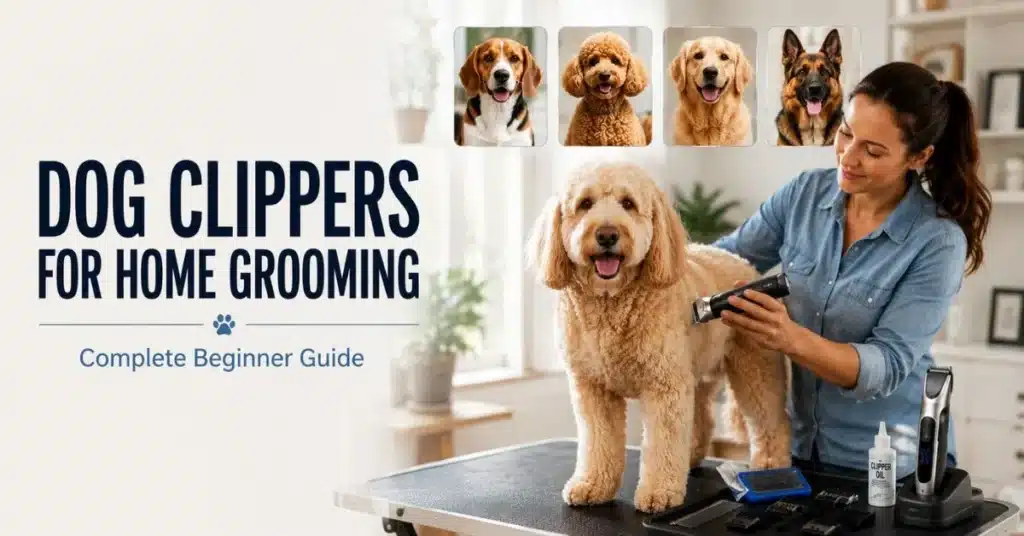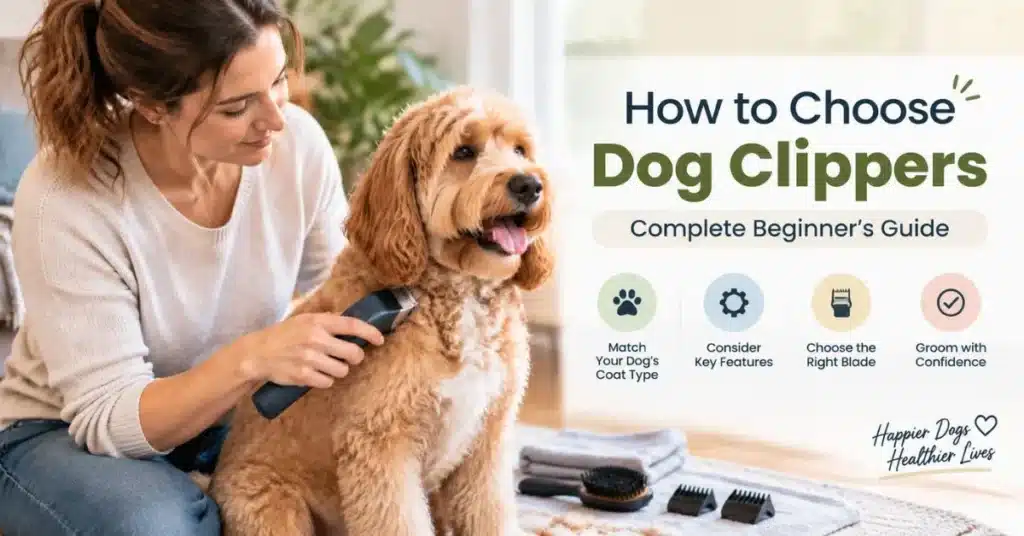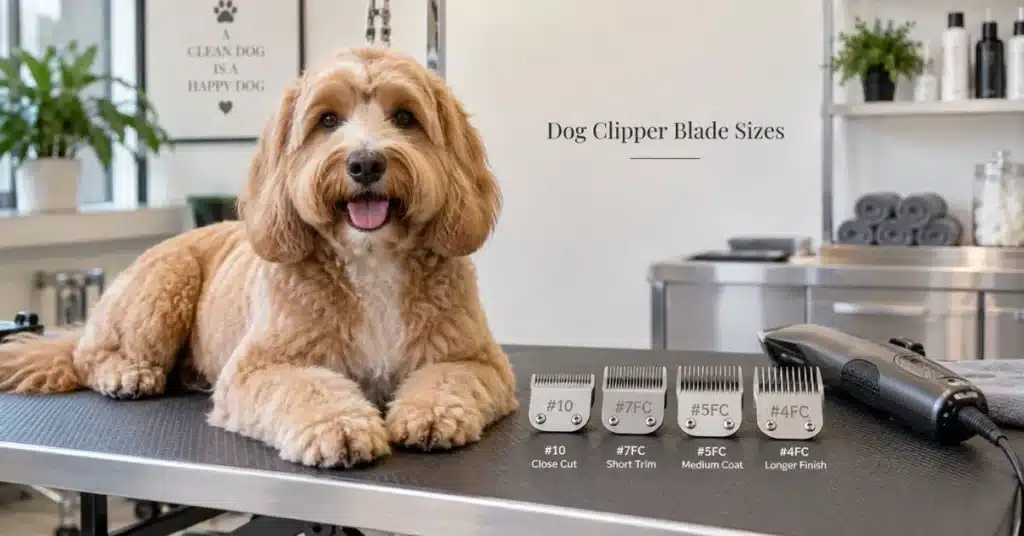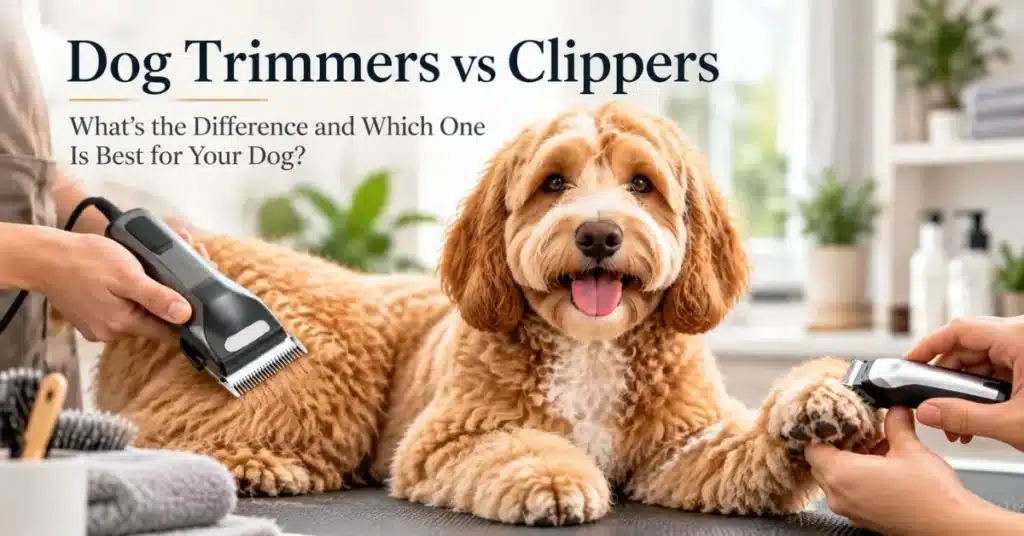

Learning how to use dog clippers is easier when you start with the right preparation and technique. Before clipping, make sure your dog’s coat is clean, dry, and free of tangles. Then, let your dog get used to the sound and vibration of the clippers.
During grooming, work slowly and use gentle, steady strokes. The goal is not just an even trim. You also want to keep your dog safe, calm, and comfortable throughout the process.
Quick Answer: How to Use Dog Clippers Safely
Start with a clean, dry, and brushed coat. Choose the right blade or guard comb, then introduce the clippers before you begin cutting. Keep the blade flat against the coat and use slow, gentle strokes. Check the blade often for heat, take breaks when needed, and use extra care around sensitive areas.
What You Need Before Using Dog Clippers
Before you start using dog clippers, prepare the right tools and a comfortable grooming area. Having everything ready makes the process easier and helps your dog feel more relaxed.
You do not need a professional grooming setup at home. But having the right dog grooming tools can make clipping safer and more comfortable for both you and your dog.
1. Dog Clippers
The first thing you need is a good-quality dog clipper. Choose a clipper that matches your dog’s coat type, size, and grooming needs.
Different dogs have different coats. A clipper that works well for a short coat may not work the same way for a thick or long coat.
If you are buying a clipper for the first time, learn how to choose the right clippers before making a decision.
2. Guard Combs and Blades
A guard comb helps you control how much hair you remove. It is especially useful for beginners because it helps create a more even trim.
Always select the correct blade or guard comb size before you start clipping. Using the wrong size may remove too much hair or make grooming uncomfortable for your dog.
3. Brush and Comb
Always brush your dog’s coat before using clippers. A slicker brush and comb help remove loose hair, dirt, and small tangles.
Mats and knots can make clipping difficult. They may also pull your dog’s skin and cause discomfort during grooming.
Regular brushing also helps maintain a healthier coat. You can learn more about home grooming practices from the AKC grooming guide.
4. Grooming Table or Non-Slip Mat
A stable surface makes grooming easier and safer. A grooming table is helpful, but beginners can also use a non-slip mat at home.
The main goal is to prevent sudden movements and help your dog stay comfortable during clipping.
5. Treats and Towel
Keep some treats nearby while grooming. Rewarding calm behavior helps your dog feel more comfortable with the clipper.
A towel is also useful for cleaning loose hair and keeping your grooming area tidy.
6. Blade Oil and Cleaning Supplies
Your clipper blades need regular care to work properly. Keep blade oil and cleaning supplies nearby after each grooming session.
Cleaning the clipper regularly helps maintain performance and can increase the life of your grooming equipment.
Quick Checklist Before You Start
Before clipping, make sure you have:
✅ Dog clippers
✅ Correct blade or guard comb
✅ Brush and comb
✅ Comfortable grooming area
✅ Treats for positive reinforcement
✅ Towel and blade oil
Preparing these basic grooming equipment items before you begin will help you create a safer and more comfortable grooming experience for your dog.
Prepare Your Dog Before Clipping
Before you start using dog clippers, prepare your dog properly. Good preparation makes the grooming process easier and more comfortable.
Many beginners make one common mistake. They turn on the clipper and start trimming immediately.
However, your dog needs time to adjust. A few simple preparation steps can reduce stress and create a better grooming experience.
Brush Your Dog’s Coat First
Always brush your dog’s coat before clipping. A clean and tangle-free coat helps the clipper move smoothly through the hair.
Brushing removes:
- Loose hair
- Dirt
- Small knots
- Tangled areas
Mats and knots can make grooming uncomfortable. They can pull your dog’s skin and make your pet feel nervous.
For this reason, always check the coat carefully before you begin.
Remove Tangles and Mats
After brushing, check your dog’s coat for hidden tangles. Some areas need extra attention because mats form there more easily.
Common areas include:
- Behind the ears
- Under the legs
- Around the tail
- Near the collar area
Do not force the clipper through thick mats. It can hurt your dog and make grooming stressful. If the matting is severe, professional grooming help may be the safer option.
Make Sure the Coat Is Clean and Dry
Always use clippers on a clean and dry coat. Wet or dirty hair can make clipping harder.
A clean coat helps the blades move better. It also allows you to get a smoother and more even trim.
Before clipping, make sure your dog’s coat is:
✅ Clean
✅ Completely dry
✅ Free from tangles
You can also follow this grooming guide for general preparation tips.
Let Your Dog Get Used to the Clipper Sound
Some dogs feel nervous when they hear clippers for the first time.
Before trimming, let your dog slowly become familiar with the sound.
Try these steps:
- Turn on the clipper near your dog
- Let your dog observe it
- Reward calm behavior with treats
- Start slowly without rushing
This helps your dog build a positive connection with grooming.
Choose a Calm Grooming Environment
A quiet place makes grooming easier. Choose an area with fewer distractions and enough space to work safely.
Keep all your tools nearby before starting. This helps you avoid unnecessary breaks during clipping.
A calm environment helps both you and your dog stay relaxed.
Quick Preparation Checklist
Before using your dog clippers, check that:
✅ Your dog’s coat is clean and dry
✅ All tangles are removed
✅ Your dog feels comfortable with the clipper sound
✅ The grooming area is safe and quiet
✅ Treats are ready for positive reinforcement
Proper dog grooming preparation makes the clipping process smoother, safer, and more comfortable for your dog.
How to Use Dog Clippers Step by Step
Once your dog is ready, you can start using the dog clippers. The key is to work slowly and stay patient.
Do not try to finish the grooming session too quickly. A calm approach helps your dog feel safe and gives you a smoother result.
Follow these simple steps to use dog clippers correctly.

Step 1: Choose the Right Blade or Guard Comb
Before clipping, choose the correct blade or guard comb for your dog’s coat and desired hair length.
A longer guard comb is often better for beginners. It helps remove less hair and reduces the chance of cutting the coat too short.
Different coats need different settings. For example, thick, curly, or long coats may need a different dog clipper blade than short coats.
Always check that the blade is clean and properly attached before you begin.
Step 2: Start Slowly and Let Your Dog Adjust
Many dogs feel nervous when they hear clippers for the first time. The sound and vibration may feel unfamiliar.
Before trimming, turn on the clipper near your dog for a few seconds. Let your dog observe the sound without pressure.
Reward calm behavior with treats and praise.
For first-time dog grooming, start with a small area. Do not rush to complete the entire coat in one session.
A slow introduction helps your dog feel more comfortable with the grooming process.
Step 3: Hold the Clipper Correctly
Hold the clipper firmly, but keep your hand relaxed. Place the clipper blade flat against the coat.
Avoid pressing too hard. Let the clipper move naturally through the hair.
Use:
- Light pressure
- Slow movements
- Smooth strokes
A good safe clipping technique helps prevent uneven cuts and reduces discomfort.
If the clipper pulls hair or stops moving smoothly, check the blade and coat condition before continuing.
Step 4: Move Clippers in the Right Direction
Move the clippers in the same direction as your dog’s hair growth. This creates a more natural and even finish.
Use slow, steady strokes and follow the shape of your dog’s body.
Avoid passing over the same area too many times. Repeated strokes can irritate the skin and make your dog uncomfortable.
For beginners, moving with the coat is usually the easiest and safest approach.
Step 5: Check Blade Temperature
During longer grooming sessions, the clipper blade can become hot. A warm blade may make your dog uncomfortable.
Take short breaks and check the blade temperature regularly.
If the blade feels too hot:
- Stop clipping
- Let the blade cool down
- Switch to another blade if available
Checking for dog clipper overheating is an important safety step, especially during longer grooming sessions.
Remember, a comfortable dog will make the grooming process easier for everyone.
Quick Tips for Using Dog Clippers
✅ Start slowly
✅ Use the correct blade or guard comb
✅ Keep the clipper flat against the coat
✅ Follow the direction of hair growth
✅ Check blade heat regularly
Learning how to use dog clippers takes practice. With patience and the right technique, beginners can safely groom their dogs at home.
Which Areas Are Easy and Which Need Extra Care?
Not every part of your dog’s body is equally easy to clip. If you are a beginner, start with large, flat areas first.
The back and sides are usually easier to manage. Areas around the paws, legs, face, and ears need more control and care.
| Area | Care Level | Quick Tip |
| Back | Easier | Start here with long, smooth strokes. |
| Sides | Easier | Follow the direction of hair growth. |
| Legs | Extra care | Move slowly around joints and loose skin. |
| Paws | High care | Keep the paw steady and avoid sudden movement. |
| Face & ears | High care | Work slowly and avoid the eyes and ear edges. |
Start With the Back and Sides
The back and sides are good places for beginners to start. These areas give you more space to control the clippers.
Keep the blade flat against the coat. Then use slow, smooth strokes in the direction of hair growth.
Avoid going over the same spot many times. Too many passes may irritate the skin.
Take Extra Care Around the Legs and Paws
The legs can be harder to clip because dogs may move without warning. Joints and loose skin also make these areas more difficult.
When clipping near the paws, hold the leg gently and keep your dog balanced. Stop if your dog keeps pulling away.
Never force the clippers into a tight or awkward area.
Be Careful Around the Face and Ears
The face, eyes, ears, and other sensitive areas need much more care. Small movements can make these areas harder to trim safely.
Move slowly and keep full control of the clippers. If you do not feel confident, leave difficult detail work to a professional groomer.
Petco also recommends extra care around delicate areas during clipping. You can review their clipper safety tips for more guidance.
Beginner tip: Master the easier dog clipping areas first. As your control improves, you can slowly work on more sensitive areas.
Common Mistakes When Using Dog Clippers
Using dog clippers becomes easier with practice. However, beginners often make some simple mistakes that can affect the grooming result.
Knowing these dog clipper mistakes can help you avoid discomfort and create a safer experience for your dog.

1. Clipping Dirty or Tangled Hair
Many beginners start clipping without preparing the coat properly.
Dirty hair, loose hair, and tangles can make the clipper pull instead of cutting smoothly.
Before clipping, always make sure your dog’s coat is:
- Clean
- Dry
- Free from tangles
A prepared coat helps the clippers move more easily.
2. Using the Wrong Blade or Guard Comb
Choosing the wrong dog clipper blade can lead to uneven trimming.
A blade that cuts too short may remove more hair than expected. For beginners, a longer guard comb usually gives better control.
Choose the blade based on:
- Your dog’s coat type
- Desired hair length
- Grooming experience
3. Pressing the Clippers Too Hard
Some beginners push the clipper harder when the hair is not cutting properly.
This can make your dog uncomfortable and may irritate the skin.
Instead, keep the clipper flat and use gentle pressure. If the clipper pulls hair, check the blade or remove any tangles.
4. Moving Too Fast
Rushing can create uneven results. It also makes it harder to control the clipper.
Use slow and steady strokes. Take your time, especially around sensitive areas.
5. Ignoring Blade Heat
During long grooming sessions, clipper blades can become hot.
A hot blade can make your dog uncomfortable. Check the blade regularly and take breaks when needed.
Quick Tips to Avoid Mistakes
✅ Prepare the coat before clipping
✅ Use the correct blade or guard comb
✅ Apply gentle pressure
✅ Move slowly
✅ Check blade temperature
Avoiding these simple mistakes will make home dog grooming safer and more comfortable for your dog.
How to Keep Your Dog Calm During Clipping
Some dogs feel nervous around clippers because of the sound and vibration. So, give your dog time to adjust before you start.
Use treats and praise to reward calm behavior. This positive reinforcement can help your dog connect grooming with a good experience.
Keep the first few grooming sessions short. If your dog becomes restless or stressed, take a break instead of forcing them to continue.
Speak in a calm voice and move slowly while clipping. Your relaxed approach can also help your dog stay settled.
If your dog is afraid of clippers, introduce the sound gradually before clipping. Reward your dog whenever they remain calm.
The goal is not to finish quickly. Focus on keeping your dog calm, comfortable, and safe throughout grooming.
When Should You Avoid Using Dog Clippers?
Using dog clippers at home can be helpful, but it is not always the right choice. Some situations need extra care and may require help from a professional groomer or veterinarian.
Knowing when to stop can protect your dog from unnecessary stress or discomfort.
Severe Mats or Tight Tangles
Avoid using clippers on severe mats that are tight against your dog’s skin.
Mats can pull the skin and hide problems like irritation or small wounds. Trying to remove them without proper experience may hurt your dog.
If the coat is heavily matted, professional grooming help may be the safer option.
Skin Problems or Irritation
Do not clip over areas with:
- Open wounds
- Sores
- Swelling
- Red or irritated skin
Clippers can make sensitive areas more uncomfortable. If you notice an unusual skin problem, it is better to ask your veterinarian before grooming.
Aggressive or Extremely Fearful Behavior
Do not force grooming if your dog shows signs of stress, such as:
- Growling
- Snapping
- Trying to escape
- Strong fear
Forcing the session can make your dog more anxious about grooming in the future.
Signs of Pain or Discomfort
Stop immediately if your dog shows clear signs of pain or discomfort.
Watch for:
- Crying or sudden reactions
- Pulling away repeatedly
- Avoiding the grooming area
Home grooming should always focus on your dog’s comfort and safety.
How to Clean and Maintain Dog Clippers After Use
After grooming, clean your dog clippers properly to keep them working well. Regular care helps prevent hair buildup and keeps the blades ready for the next use.
Follow these simple steps after each grooming session:
- Remove loose hair from the clipper and blade area
- Clean the blade with a soft brush
- Apply a few drops of clipper oil to keep the blade moving smoothly
- Store the clippers in a dry and safe place
Avoid storing your clippers while hair or moisture remains on the blade. Proper maintenance helps improve clipper performance and can extend the life of your grooming tools.
Common Questions About Using Dog Clippers
Can beginners use dog clippers?
Yes, beginners can use dog clippers at home with proper preparation and a slow approach. Start with an easy area, use a longer guard comb, and keep the blade flat against the coat. Take breaks if your dog becomes restless or uncomfortable.
Should a dog’s hair be wet or dry before clipping?
For a typical at-home clip with standard pet clippers, start with a clean, dry, and brushed coat. Tangles and mats can make the clippers pull or move unevenly. If your clipper manufacturer gives different instructions, follow the directions for your specific model.
How often should I clip my dog’s hair?
There is no single schedule for every dog. Clipping frequency depends on coat type, hair growth, breed, and the style you want to maintain. Check your dog’s coat regularly and groom when it becomes too long, tangled, or difficult to manage.
Why are my dog clippers pulling hair?
Dog clippers may pull hair because of a dull or dirty blade, tangled coat, or poor blade setup. Stop clipping instead of pushing harder. Check the coat and blade first. If the problem continues, our guide to dog clippers pulling hair explains the common causes and fixes.
Can I use human clippers on my dog?
Human clippers and dog clippers are designed for different grooming needs. Dog coats can vary greatly in thickness, texture, and density. For regular home grooming, using clippers designed for dogs is usually the more practical choice because they are made to handle pet coats.
Final Thoughts on Using Dog Clippers at Home
Learning how to use dog clippers takes patience and practice. With the right tools, proper preparation, and a calm approach, beginners can safely maintain their dog’s coat at home.
Successful grooming is not about finishing quickly. It is about keeping your dog comfortable, safe, and relaxed during the process.
Start with simple areas, use the correct blade or guard comb, and take breaks when needed. Every dog has a different coat and grooming need.
If you want to learn more about creating a complete home grooming routine, explore our guide on dog clippers for home grooming.
With time and experience, home grooming can become a simple and positive part of your dog’s care routine.