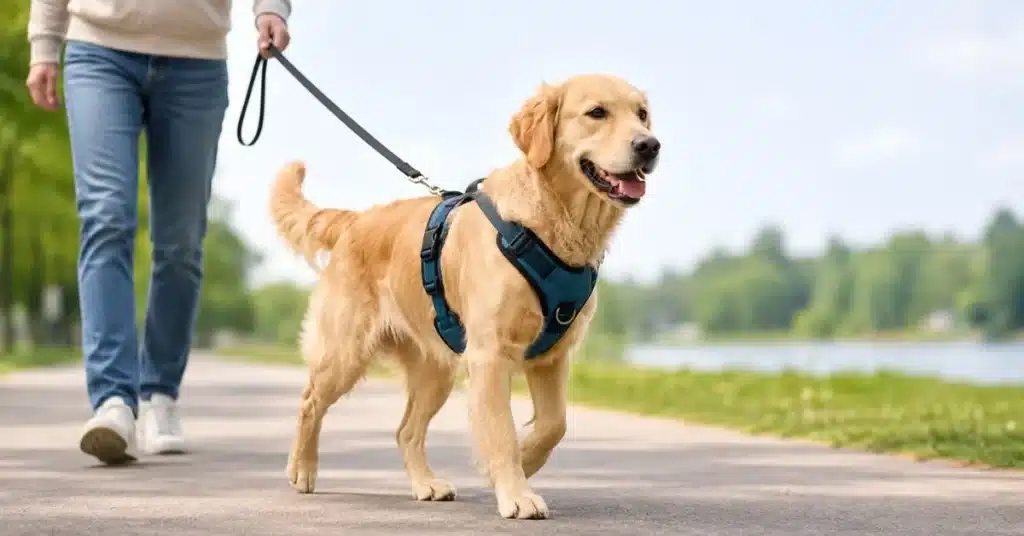
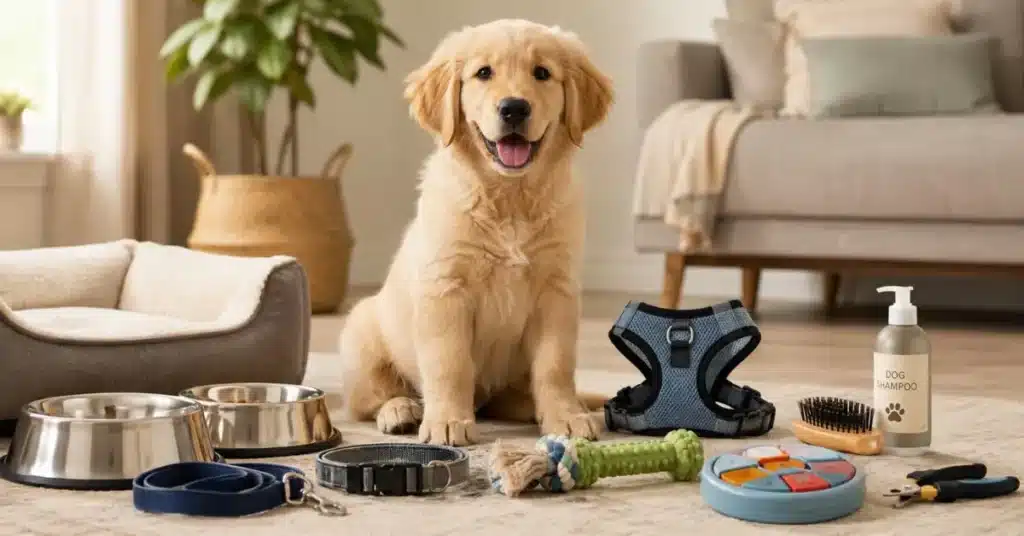
Bringing home your first dog is exciting, but choosing the right accessories can quickly feel overwhelming. Most beginner dog owners need a properly fitted collar, leash, food and water bowls, a comfortable dog bed, safe chew toys, and basic grooming supplies to keep their dog safe, healthy, and comfortable.
This beginner-friendly guide explains the most important dog accessories for beginners, including safety tips, sizing advice, and common mistakes new dog owners should know before buying anything.
What Accessories Does a Beginner Dog Owner Need?
Many first-time dog owners feel pressured to buy dozens of products immediately. In reality, starting with a few safe, practical essentials is usually the smartest approach.
Here are the most important dog accessories beginners typically need:
- A properly fitted dog collar
- A durable leash for walking and training
- Comfortable food and water bowls
- A supportive dog bed
- Safe chew toys and enrichment toys
- Basic grooming supplies
- Optional harness for better walk control
These essentials help support your dog’s:
- safety
- comfort
- feeding routine
- training
- hygiene
- mental stimulation
Puppies and younger dogs may also outgrow certain accessories quickly, so many experienced dog owners recommend starting simple instead of overspending early.
Why Dog Accessories Matter for Beginners
Choosing the right dog accessories is not only about convenience. The right setup can make daily care easier while also improving your dog’s safety, comfort, and training experience.
For beginners, accessories often help create structure and routine during the first few months of dog ownership. A properly fitted collar helps with identification, a leash improves walking control, and safe toys help reduce boredom and destructive chewing. Beginners who are still learning about feeding, hygiene, and daily routines may also benefit from reading a more complete dog care guide for beginners .
Many new dog owners also discover that poor-quality accessories can create problems later. Weak leash clips, unsafe chew toys, or uncomfortable collars may lead to frustration, safety risks, or unnecessary expenses.
That’s why beginner-friendly accessories should focus on:
- comfort
- durability
- safety
- easy maintenance
- practical everyday use
Starting with a few reliable essentials is usually far more helpful than buying trendy products your dog may never use. For owners who are still building a simple hygiene routine, a separate Dog Grooming Guide for Beginners can also help explain brushing, bathing, nail care, and basic grooming safety.
Essential Dog Accessories Every Beginner Needs
Every dog is different, but most first-time owners benefit from starting with a core group of practical accessories. These items help support feeding, walking, sleeping, training, and everyday care.
Before buying accessories, remember:
- puppies grow quickly
- some dogs chew aggressively
- sizing matters
- safety matters more than appearance
The sections below explain the most important beginner dog accessories and how to choose them safely.
Dog Collars
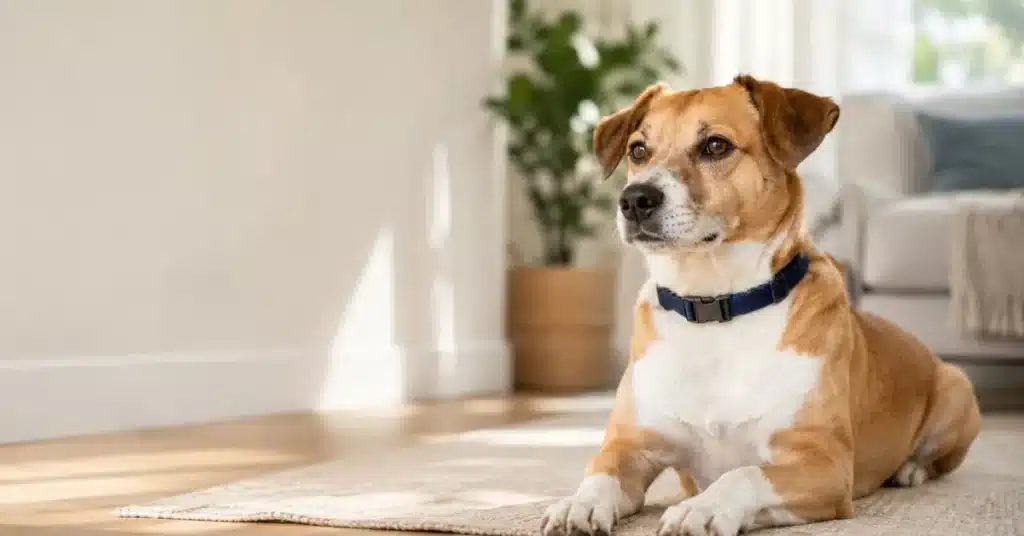
Many beginner dog owners start with a basic collar because it helps keep identification tags secure and makes everyday handling easier.
For most puppies and beginner-friendly dogs, lightweight adjustable collars are usually the safest starting option. Adjustable collars help accommodate growth during the first few months.
When choosing a dog collar, factors like comfort, proper fit, adjustability, and buckle quality matter more than appearance alone. Beginners who want a more detailed step-by-step explanation can also read this complete How to Choose a Dog Collar guide.
When choosing a dog collar, focus on:
- comfort
- proper fit
- durable buckle quality
- lightweight materials
- adjustability
One of the most common beginner mistakes is choosing a collar based only on appearance instead of proper sizing and comfort.
Quick Collar Safety Tip
A properly fitted collar should allow you to comfortably slide two fingers between the collar and your dog’s neck. The American Humane Society also recommends checking collar fit regularly to help prevent discomfort and accidental slipping during walks.
Avoid
- collars that are too tight
- weak plastic buckles
- oversized collars for puppies
- rough materials that may irritate skin
Many puppies outgrow collars surprisingly fast, so buying expensive designer collars too early is often unnecessary.
Dog Leashes
A leash is one of the most important beginner dog accessories because it directly affects safety, walking control, and early training.
Many first-time owners underestimate how much easier training becomes with a simple, reliable leash.
For beginners, standard fixed-length leashes are often easier to control than retractable leashes. They provide more consistent handling during walks and early leash training.
Beginners who are still unsure about leash types, sizing, and materials may also benefit from reading this detailed How to Choose a Dog Leash guide.
When choosing a dog leash, focus on:
- strong clips
- comfortable grip
- durability
- leash length
- walking control
Practical Beginner Tip
Many beginner dog owners find lightweight 4–6 foot standard leashes easier to manage during early puppy walks and leash training sessions.
Avoid
- weak leash clips
- extremely thin leashes for large dogs
- retractable leashes for untrained puppies
- cheap materials that fray quickly
Poor-quality leashes can wear out faster than expected, especially for strong pullers or energetic puppies.
Dog Harnesses
Many beginner dog owners switch to harnesses after struggling with pulling, poor leash control, or neck discomfort during walks. A properly fitted harness can help distribute pressure more evenly across the dog’s chest instead of placing strain on the neck.
Harnesses are especially popular for:
- puppies
- small breeds
- dogs that pull frequently
- beginner leash training
- anxious or energetic dogs
For most beginners, adjustable harnesses with soft breathable materials are usually easier to use and more comfortable for daily walks.
When choosing a dog harness, focus on:
- proper chest fit
- adjustability
- breathable fabric
- secure buckles
- easy control
Many first-time dog owners accidentally buy harnesses that are too loose, which can make walks uncomfortable and increase the risk of slipping out during outdoor walks.
Quick Harness Fit Tip
A harness should fit snugly without rubbing the skin or restricting movement. You should still be able to slide two fingers comfortably under the straps.
Avoid
- harnesses that rub under the legs
- oversized harnesses for puppies
- poor-quality clips
- stiff materials that irritate skin
Beginner-Friendly Recommendation
No-pull harnesses are often easier for beginners managing dogs that pull heavily during walks.
Food & Water Bowls
Food and water bowls may seem simple, but choosing the right bowls can make feeding cleaner, safer, and more comfortable for your dog.
Many beginner dog owners buy inexpensive plastic bowls without realizing that low-quality materials may crack, trap bacteria, or cause irritation over time.
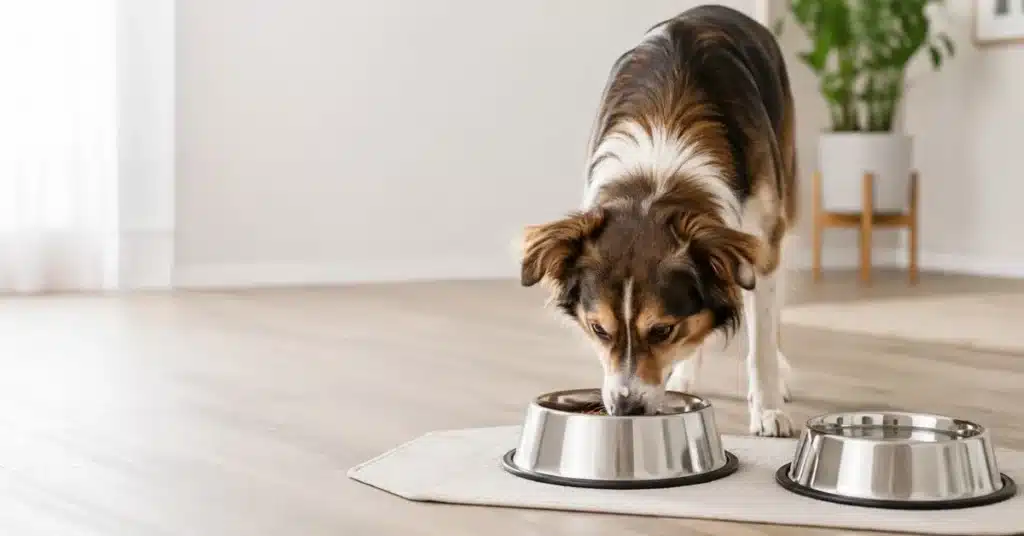
For most dogs, stainless steel bowls are often considered one of the safest and easiest options to maintain because they are:
- durable
- easy to clean
- rust-resistant
- less likely to hold odors
Some energetic puppies also benefit from non-slip bowls that stay stable during feeding.
When choosing feeding bowls, focus on:
- safe materials
- bowl stability
- easy cleaning
- appropriate size
- durability
Practical Beginner Tip
Puppies and messy eaters often spill water frequently, so waterproof feeding mats can help keep feeding areas cleaner and easier to manage.
Bowl Safety Tips
- avoid cracked plastic bowls
- clean bowls daily
- replace damaged bowls immediately
- choose BPA-free materials when possible
Elevated Bowl Reminder
Elevated bowls may help some larger dogs eat more comfortably, but they are not necessary for every dog.
Avoid
- lightweight bowls that tip easily
- damaged plastic bowls
- bowls with sharp edges
- cheap coatings that wear off quickly
Dog Beds
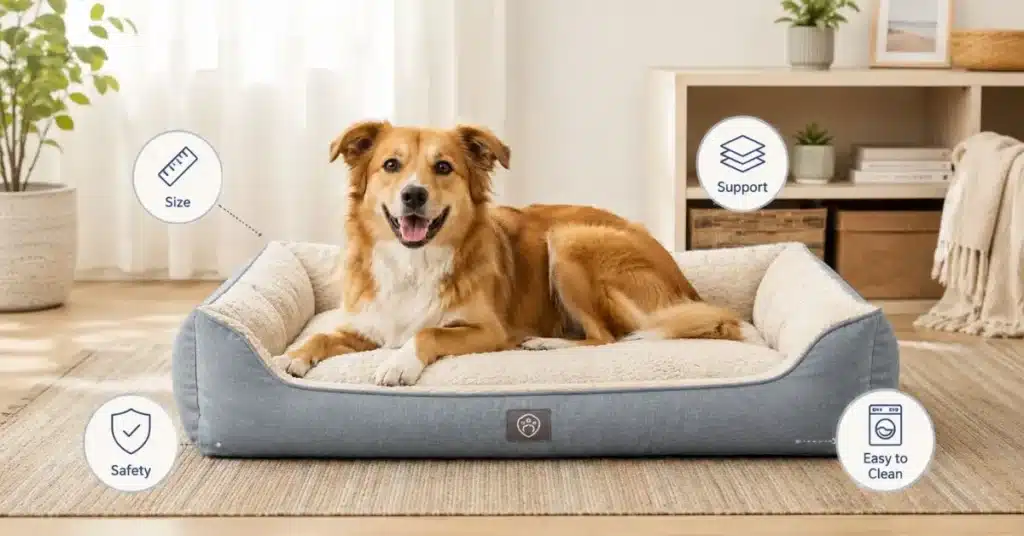
A comfortable dog bed helps create a safe resting space while supporting better sleep and relaxation.
Many beginner dog owners are surprised by how quickly puppies can damage or outgrow beds during the first year. Starting with a practical, washable bed is often a smarter choice than buying expensive luxury beds too early.
Owners searching for more beginner-friendly recommendations can also explore these Best Dog Beds for Puppies before choosing one.
For beginners, dog beds should focus on:
- comfort
- washable materials
- easy cleaning
- proper sizing
- durability
Dogs should be able to stretch out comfortably without hanging over the edges of the bed. Beginners who are still unsure about measurements and bed sizing may also find this detailed What Size Dog Bed Should I Get guide helpful before buying one.
Quick Bed Size Test
Your dog should be able to lie down, turn around, and fully stretch comfortably on the bed.
Practical Beginner Tip
Washable bed covers are especially helpful for puppies because accidents and chewing are common during early training stages.
Common Beginner Mistake
Some first-time owners buy beds that are too small because puppies appear tiny at first. Fast-growing breeds may outgrow small beds much sooner than expected.
Avoid
- beds with weak stitching
- difficult-to-clean fabrics
- beds that flatten quickly
- poor support for larger breeds
Orthopedic Bed Note
Older dogs and large breeds may benefit from orthopedic support beds that reduce pressure on joints.
Dog Toys
Many first-time dog owners underestimate how important toys are for mental stimulation, chewing behavior, and boredom prevention.
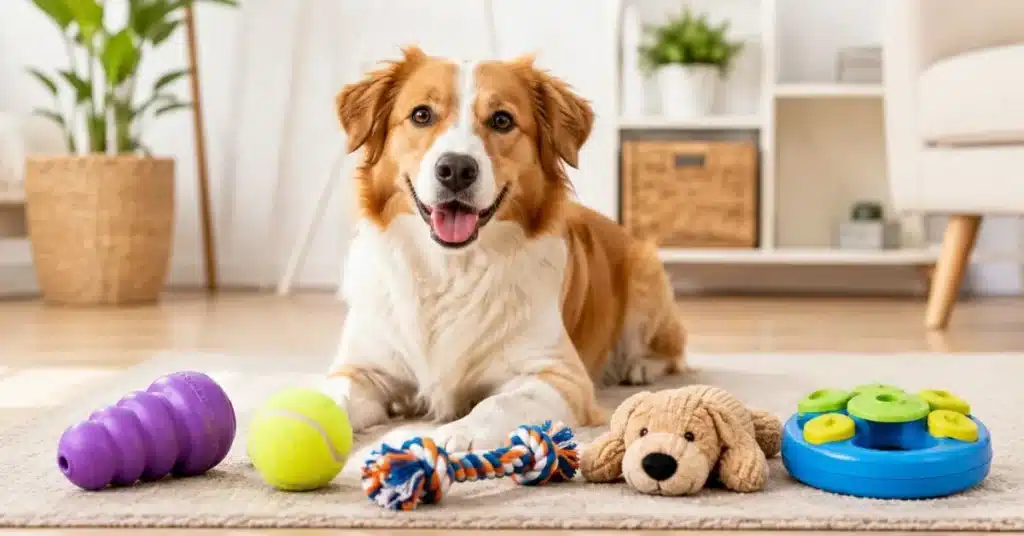
Safe dog toys can help puppies stay active, reduce destructive chewing, and make indoor time more engaging. Owners looking for beginner-friendly recommendations may also want to explore these Best Dog Toys for Puppies before buying their first toy set.
However, not every toy is suitable for every dog. Puppies, aggressive chewers, and large breeds often need different toy types depending on their chewing strength and activity level.
When choosing dog toys, factors like safety, durability, chewing style, and size appropriateness matter more than appearance alone. Beginners who still feel unsure about toy types and materials may also benefit from reading this detailed How to Choose Dog Toys guide.
When choosing dog toys, focus on:
- safety
- durability
- chewing style
- size appropriateness
- non-toxic materials
Types of Dog Toys Beginners Often Use
- chew toys
- soft plush toys
- interactive toys
- treat-dispensing toys
- rope toys
- puzzle toys
Practical Beginner Tip
Many puppies lose interest in toys quickly, so rotating a few toys regularly often keeps them more engaged than constantly buying new ones.
Toy Safety Tips
- supervise aggressive chewers
- replace damaged toys immediately
- avoid toys with loose detachable parts
- choose size-appropriate toys
- inspect toys regularly for cracks or tears
Common Beginner Mistake
Some beginners buy toys that are too small because they look cute or inexpensive. Small toys can sometimes become choking hazards for larger dogs or heavy chewers.
Simple Toy Safety Test
If a toy easily cracks, tears, or breaks into small pieces during chewing, it may not be safe for long-term use.
Avoid
- cheap brittle plastic toys
- toys with weak stitching
- toys with easily removable parts
- oversized toys for small puppies
Mental Stimulation Reminder
Interactive toys and puzzle toys can help reduce boredom, especially for energetic puppies and indoor dogs that need extra stimulation throughout the day.
Basic Grooming Supplies
Many beginner dog owners focus heavily on toys and feeding accessories but forget that simple grooming tools are essential for comfort, hygiene, and skin health.
A basic grooming setup helps:
- reduce shedding
- maintain healthy skin
- improve coat cleanliness
- support nail care
- create positive grooming routines
For most beginners, grooming does not need to be complicated. Starting with a few simple, beginner-friendly tools is usually enough. Owners who still feel unsure about brushing, bathing, hygiene, and grooming routines may also benefit from reading this complete Dog Grooming Guide for Beginners.
Basic Grooming Supplies Beginners Often Need
- dog brush
- nail clippers
- dog shampoo
- grooming wipes
- comb
- towel
Practical Beginner Tip
Short, calm grooming sessions are often easier for puppies than long grooming routines. Many dogs become more comfortable when grooming is introduced gradually.
Common Beginner Mistake
Some first-time dog owners use human shampoo on dogs without realizing that certain ingredients may irritate sensitive skin. The American Kennel Club(AKC) also explains that human shampoos may disrupt a dog’s natural skin balance and cause dryness or irritation in some dogs.
Grooming Safety Tips
- use dog-safe shampoo only
- trim nails carefully
- avoid pulling tangled fur aggressively
- check ears and paws regularly
- introduce grooming slowly
Simple Grooming Routine
A simple weekly grooming routine is usually enough for many beginner dog owners:
- brush coat
- inspect ears
- check nails
- wipe paws
- monitor skin condition
Nail Care Reminder
Long nails can sometimes affect walking comfort and posture, especially for indoor dogs with limited natural nail wear. Beginners who feel nervous about trimming nails safely may also find this step-by-step How to Trim Dog Nails at Home guide helpful.
Avoid
- forcing nervous puppies during grooming
- cheap weak nail clippers
- strong fragrances on sensitive skin
- skipping regular brushing for long-haired breeds
Experience Insight
Many beginners feel overwhelmed by grooming at first, but simple routines often become much easier once dogs become familiar with handling and brushing.
How to Choose the Right Dog Accessories
Many first-time dog owners feel confused because there are so many accessory options available online and in pet stores. Choosing the right products becomes much easier when you focus on your dog’s size, age, activity level, and daily routine instead of trends or expensive branding.
Not every dog needs the same accessories immediately. Some products are essential, while others can wait until your routine becomes clearer.
Factors Beginners Should Consider
Dog Size
Large dogs often need:
- stronger leashes
- durable toys
- larger beds
- heavy-duty harnesses
Small dogs and puppies may benefit from:
- lightweight accessories
- softer materials
- adjustable sizing
Puppy vs Adult Dog
Puppies grow quickly, chew frequently, and usually need more adjustable products. Adult dogs may require more durable long-term accessories.
Activity Level
Highly active dogs often need:
- stronger harnesses
- durable chew toys
- outdoor walking gear
Indoor or calmer dogs may need:
- comfort-focused accessories
- mental stimulation toys
- cozy resting areas
Ease of Cleaning
Washable beds, easy-clean bowls, and durable materials can save beginners a lot of time and frustration later.
Since many first-time owners feel overwhelmed by too many buying decisions, following a simple Dog Accessories Checklist for New Dog Owners can make the setup process much easier and more organized.
Quick Beginner Checklist
Before buying any accessory, ask:
- Is it safe for my dog’s size?
- Is it durable enough?
- Is it easy to clean?
- Is it beginner-friendly?
- Does my dog actually need it now?
This simple approach helps many beginners avoid overspending on unnecessary accessories early on.
Even high-quality accessories can become unsafe if they are poorly fitted, damaged, or used incorrectly. Understanding a few simple safety rules can help beginners avoid common problems and make daily care much safer for their dogs.
Dog Accessory Safety Tips Beginners Should Know
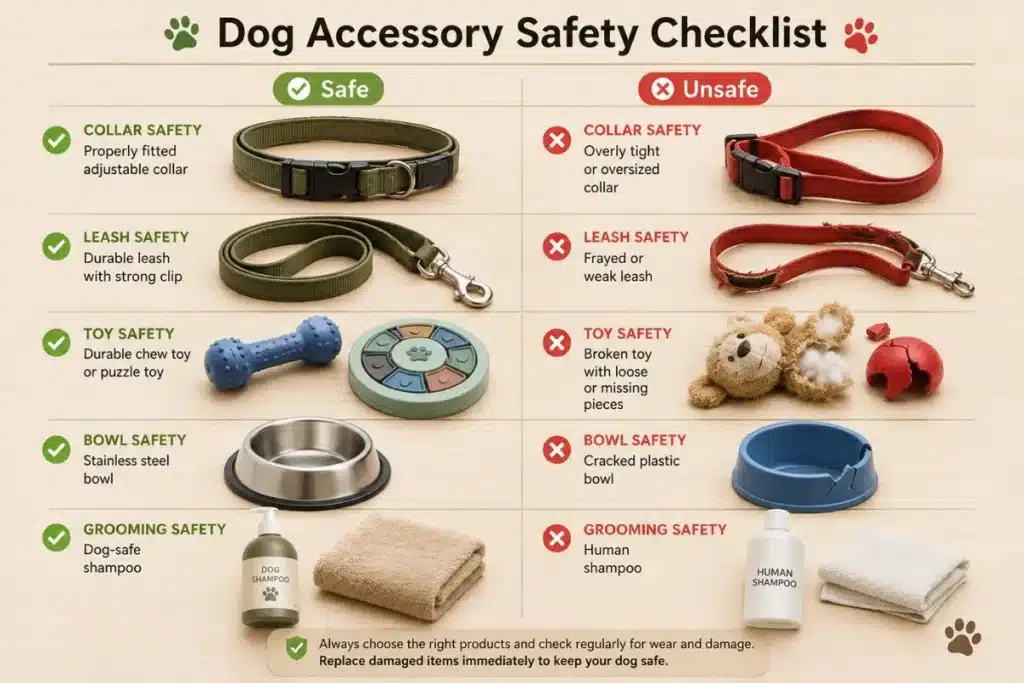
Many beginner dog owners focus mostly on appearance, price, or popularity when buying accessories. However, safety should always come first. Even common accessories like collars, toys, bowls, and leashes can create problems if they are poorly fitted, damaged, or made from low-quality materials.
The good news is that most beginner safety mistakes are easy to avoid once you know what to check regularly.
Why Accessory Safety Matters
Unsafe accessories can sometimes lead to:
- choking hazards
- skin irritation
- poor leash control
- discomfort during walks
- chewing injuries
- unnecessary stress for puppies
Many first-time dog owners are surprised by how quickly puppies chew, scratch, or damage accessories during early growth stages. That’s why regular inspection and simple maintenance are extremely important.
Dog Collar Safety Tips
Collars are one of the most commonly used accessories, but improper fitting is also one of the most common beginner mistakes.
A collar that is too tight may cause discomfort or skin irritation, while loose collars may slip off during walks. Beginners who are still unsure about measurements and proper fitting may also find this detailed Dog Collar Size Chart helpful before choosing a collar.
Quick Collar Fit Test
You should comfortably fit two fingers between the collar and your dog’s neck.
Collar Safety Checklist
- check collar fit regularly
- inspect buckles for damage
- remove damaged collars immediately
- adjust sizing as puppies grow
- monitor skin irritation under the collar
Avoid
- overly tight collars
- rough materials
- weak plastic buckles
- collars that hang too loosely
Experience Insight
Many puppies outgrow collars faster than beginners expect, especially during the first year. Adjustable collars are usually more practical for growing dogs. Beginners who are still deciding between collars and harnesses for walking or training may also benefit from reading this detailed Collar vs Harness Guide.
Leash & Harness Safety Tips
Leashes and harnesses affect walking control and outdoor safety every day. Poor-quality clips, weak stitching, or improper fit can make walks stressful and sometimes unsafe.
Beginner-Friendly Leash Advice
Standard fixed-length leashes are often easier for beginners to control during training than retractable leashes. Owners who are still struggling with pulling, leash control, or walking routines may also benefit from reading these beginner-friendly Leash Training Tips for Dogs.
Harness Safety Reminder
A harness should fit snugly without restricting movement or rubbing under the legs.
Leash & Harness Checklist
- inspect clips regularly
- check stitching for wear
- avoid frayed leashes
- test harness fit monthly
- replace damaged straps immediately
Avoid
- weak leash clips
- oversized harnesses
- retractable leashes for untrained puppies
- low-quality materials that wear out quickly
Practical Observation
Some beginner dog owners accidentally buy harnesses that are too large because puppies appear fluffy or bulky. Loose harnesses can sometimes increase escape risk during walks.
Dog Toy Safety Tips
Dog toys help reduce boredom and support mental stimulation, but damaged or poorly made toys can sometimes become choking hazards. According to the Humane Society, damaged toys and small removable pieces may increase choking risks for dogs, especially aggressive chewers.
Beginners who still feel unsure about materials, toy safety, and chewing risks may also want to read this detailed guide on Are Dog Toys Safe for Dogs.
Aggressive chewers often destroy soft toys much faster than beginners expect.
Quick Toy Safety Test
If a toy cracks, tears, or breaks into small pieces during chewing, it should usually be replaced immediately.
Toy Safety Checklist
- supervise heavy chewers
- inspect toys weekly
- avoid loose detachable parts
- choose size-appropriate toys
- rotate toys regularly
Avoid
- brittle plastic toys
- toys with weak stitching
- toys smaller than your dog’s mouth
- heavily damaged chew toys
Experience Insight
Many beginners buy several cheap toys at once, but a few durable toys are often safer and more practical long term.
Food & Water Bowl Safety Tips
Food and water bowls are used every day, so choosing safe materials matters more than many beginners realize.
Owners who still feel unsure about bowl materials, sizing, and feeding setups may also benefit from reading this detailed How to Choose Dog Bowls guide.
Low-quality plastic bowls may crack over time and trap bacteria more easily than stainless steel options.
Beginner-Friendly Bowl Recommendation
Stainless steel bowls are often preferred because they are:
- durable
- easy to clean
- rust-resistant
- less likely to hold odors
Bowl Safety Checklist
- wash bowls daily
- replace cracked bowls
- avoid sharp edges
- use stable non-slip bowls
- choose BPA-free materials when possible
Avoid
- damaged plastic bowls
- unstable lightweight bowls
- bowls with peeling coatings
- hard-to-clean feeding surfaces
Practical Tip
Messy puppies often spill water frequently, so waterproof feeding mats can help keep feeding areas cleaner and easier to manage.
Grooming Supply Safety Tips
Basic grooming tools help maintain hygiene, but improper grooming routines can sometimes create stress or discomfort for dogs that are new to handling.
Beginner Grooming Advice
Introduce grooming slowly using short, calm sessions instead of forcing long grooming routines immediately.
Grooming Safety Checklist
- use dog-safe shampoo only
- inspect nail clippers regularly
- brush gently around sensitive areas
- monitor skin irritation
- avoid overly hot water during baths
Avoid
- human shampoo on dogs
- dull nail clippers
- pulling tangled fur aggressively
- strong fragrances on sensitive skin
Experience Insight
Many beginner dogs become calmer during grooming once short positive routines are repeated consistently over time.
Practical Tips for First-Time Dog Owners
Many first-time dog owners feel pressure to buy every popular accessory immediately. In reality, starting simple is often easier, safer, and more budget-friendly.
Dogs usually need:
- safe essentials
- consistency
- comfort
- simple routines
—not a huge collection of expensive products.
Start With Essentials First
The most important beginner accessories usually include:
- collar
- leash
- bowls
- dog bed
- chew toys
- basic grooming tools
You can always add more accessories later once you better understand your dog’s personality, habits, and daily routine.
Choose Easy-to-Clean Accessories
Washable and low-maintenance accessories often make life much easier for beginners.
Helpful beginner-friendly choices include:
- washable dog beds
- stainless steel bowls
- easy-clean grooming brushes
- waterproof feeding mats
Don’t Overspend Too Early
Many puppies:
- outgrow collars quickly
- destroy toys faster than expected
- change sleeping habits frequently
Starting with practical mid-range accessories is often smarter than buying expensive premium products immediately.
Rotate Toys Instead of Buying Too Many
Toy rotation helps:
- reduce boredom
- maintain interest
- avoid clutter
Many dogs stay more engaged when only a few toys are available at a time.
Monitor Fit Regularly
Puppies grow surprisingly fast during the first year.
Check regularly:
- collar fit
- harness fit
- bed size
- crate comfort
Simple adjustments can prevent discomfort and improve safety.
Even with good accessories, beginners often make a few common mistakes during the first months of dog ownership. Understanding these mistakes early can help save money, improve safety, and make daily care much less stressful.
Common Dog Accessory Mistakes Beginners Make
Many first-time dog owners make similar accessory mistakes during the first few months. Most of these problems happen because beginners feel overwhelmed by too many choices, confusing advice, or aggressive marketing.
The good news is that small adjustments can prevent many common issues before they become frustrating or expensive.
Buying Too Many Accessories Too Early
One of the most common beginner mistakes is purchasing too many products immediately after bringing a dog home.
Many new owners buy:
- multiple beds
- large toy collections
- expensive gadgets
- unnecessary clothing
- trendy accessories
before understanding what their dog actually needs.
Why This Can Be a Problem
Puppies grow quickly, chewing habits change, and some dogs completely ignore certain accessories.
Starting with a few safe essentials is usually more practical and budget-friendly.
Better Beginner Approach
Focus first on:
- collar
- leash
- bowls
- comfortable bed
- safe chew toys
- basic grooming supplies
You can always upgrade later as your routine becomes clearer.
Ignoring Proper Sizing
Sizing mistakes are extremely common among beginners.
Collars, harnesses, beds, and even bowls should match your dog’s size, breed, and comfort level.
Common Sizing Problems
- collars too tight
- oversized harnesses
- beds too small
Beginners who are unsure about bed measurements and sleeping space may also benefit from using a detailed Dog Bed Size Chart before choosing a bed.
Poor fit may cause:
- discomfort
- skin irritation
- poor walking control
- escape risks
Quick Beginner Reminder
Always check:
- neck measurements
- chest measurements
- weight recommendations
- growth potential for puppies
Experience Insight
Many puppies outgrow accessories much faster than beginners expect during the first year.
Choosing Cheap Low-Quality Products
Budget matters, but extremely cheap accessories can sometimes create safety or durability problems later.
Low-quality products may:
- break quickly
- wear out faster
- contain poor materials
- become unsafe during use
Common Beginner Complaints
- leash clips snapping
- toys breaking apart
- collars fraying quickly
- beds flattening within weeks
Better Strategy
Instead of buying many cheap products:
- buy fewer reliable essentials
- prioritize durability
- check reviews carefully
- focus on safety first
Avoid
- weak stitching
- brittle plastic
- unsafe toy materials
- low-quality clips and buckles
Buying Accessories Based Only on Appearance
Many beginner dog owners choose products based mostly on:
- color
- design
- trends
- social media recommendations
without considering practicality.
Example
A stylish leash may look attractive online, but it may not provide enough control for energetic puppies or large dogs.
Better Beginner Approach
Focus on:
- comfort
- durability
- easy cleaning
- practical daily use
- proper fit
Appearance should usually come after safety and function.
Skipping Safety Checks
Even good accessories require regular inspection.
Many beginners forget to:
- check leash clips
- inspect toy damage
- adjust collar fit
- replace worn accessories
Why This Matters
Dogs chew, scratch, pull, and damage accessories much faster than many first-time owners expect.
Simple Monthly Safety Check
Inspect:
- collars
- harness stitching
- leash clips
- toy damage
- bowl condition
Replacing damaged accessories early can help prevent injuries and reduce stress later.
Using Human Products on Dogs
Some beginners accidentally use:
- human shampoo
- unsafe cleaning products
- unsuitable fabrics
without realizing dogs often have more sensitive skin than humans.
Safer Beginner Approach
Use products specifically designed for dogs whenever possible, especially for:
- shampoo
- grooming wipes
- dental products
- skin-care items
Beginner Dog Accessories Checklist
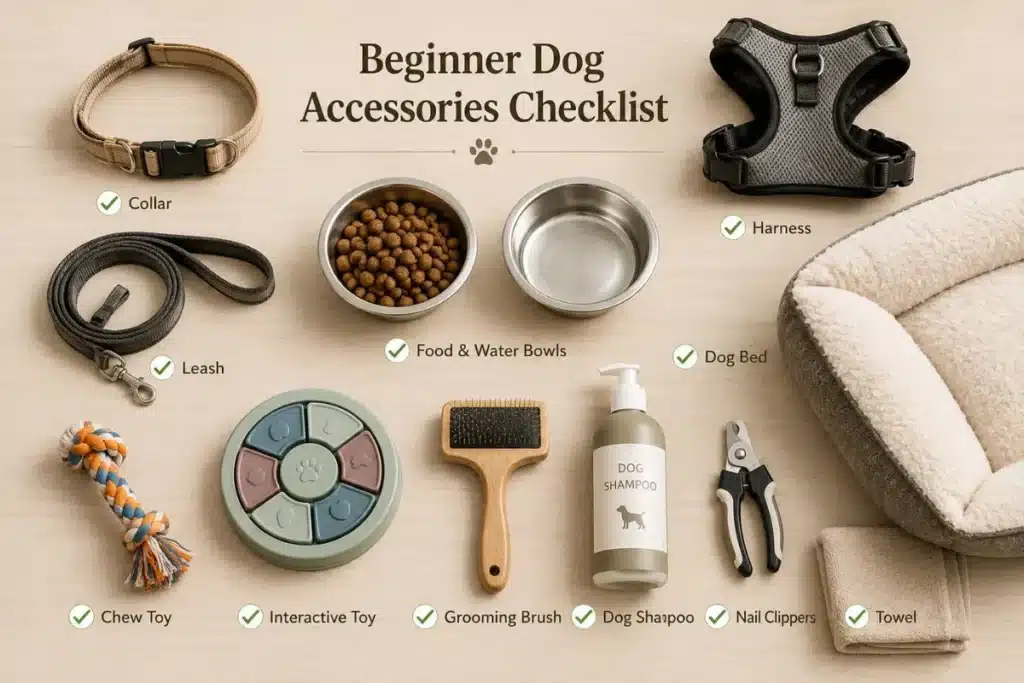
Starting with a small group of practical essentials is usually the easiest and safest approach for first-time dog owners.
This checklist can help beginners avoid confusion while focusing on the accessories that matter most during the first few months.
Essential Accessories Checklist
| Essential Accessory | Why It Matters |
| Dog collar | identification and basic handling |
| Dog leash | walking safety and training |
| Dog harness | comfort and pulling control |
| Food & water bowls | feeding and hydration |
| Dog bed | rest and comfort |
| Safe chew toys | mental stimulation and chewing |
| Grooming supplies | hygiene and maintenance |
Buy First vs Buy Later
Many beginners feel pressured to buy everything immediately. In reality, some accessories are optional and can wait until your routine becomes more established.
| Buy First | Optional Later |
| collar | GPS tracker |
| leash | pet camera |
| bowls | dog stroller |
| bed | decorative accessories |
| chew toys | advanced gadgets |
This approach helps:
- reduce overspending
- simplify decision-making
- focus on essentials first
Quick Beginner Safety Checklist
Before buying any accessory, ask:
✅ Is it safe for my dog’s size?
✅ Is it easy to clean?
✅ Is it durable enough for daily use?
✅ Does it contain safe materials?
✅ Is it beginner-friendly?
✅ Does my dog actually need it now?
These small questions often prevent many common beginner mistakes.
Practical Maintenance Checklist
Regular maintenance helps accessories stay safer and last longer.
Weekly Checks
- inspect toys for damage
- wash bowls thoroughly
- clean feeding areas
- brush grooming tools
Monthly Checks
- inspect leash clips
- check harness stitching
- test collar fit
- replace damaged accessories
Simple maintenance routines often save money and reduce safety risks over time.
Quick Beginner Summary
For most first-time dog owners, starting simple is usually the best approach.
Focus first on:
- safety
- comfort
- durability
- practicality
instead of buying large numbers of trendy accessories immediately.
A few well-chosen essentials are often far more useful than a huge collection of unnecessary products.
Now that you understand the essential accessories, safety basics, and common beginner mistakes, the final step is answering a few common questions many new dog owners still have before building their first dog setup.
Common Questions About Dog Accessories
Many beginner dog owners still have small questions even after buying the basics. These quick answers can help simplify common concerns about dog accessories, safety, comfort, and beginner routines.
What accessories should I buy first for my dog?
Most beginner dog owners should start with:
- a properly fitted collar
- a durable leash
- food and water bowls
- a comfortable dog bed
- safe chew toys
- basic grooming supplies
These essentials support safety, feeding, comfort, training, and everyday care without overwhelming beginners with unnecessary purchases.
Are harnesses better than collars?
Harnesses are often preferred for dogs that pull during walks because they distribute pressure across the chest instead of the neck. Many beginners also find harnesses easier to control during leash training.
However, properly fitted collars are still useful for identification tags and everyday handling. Many dog owners use both depending on the situation.
Beginners who still feel unsure about which option works best for walking, training, or daily use may also benefit from reading this detailed Dog Harness vs Collar comparison guide.
What size collar does my puppy need?
Puppy collars should fit comfortably without being too tight or too loose. Adjustable collars are usually the best choice because puppies grow quickly during the first year.
Beginners who still feel unsure about collar materials, sizing, and fit may also benefit from reading this detailed How to Choose a Dog Collar guide.
A simple two-finger fit test helps check sizing safely: You should be able to slide two fingers comfortably between the collar and your puppy’s neck.
Are retractable leashes safe for beginners?
Retractable leashes are not always ideal for beginners or untrained puppies. Many first-time dog owners find standard fixed-length leashes easier to control during early training and daily walks.
Retractable leashes may create:
- inconsistent leash control
- pulling habits
- safety concerns in crowded areas
For most beginners, a durable 4–6 foot standard leash is usually simpler and safer.
How many toys does a dog need?
Most dogs do not need huge toy collections. A few safe, durable toys are often enough for:
- chewing
- mental stimulation
- boredom prevention
Beginners who are still unsure which toys are safest or most practical for young dogs may also want to explore these recommended Best Dog Toys for Puppies before building a toy collection.
Rotating toys regularly usually keeps dogs more interested than constantly buying new toys.
Should beginners buy expensive dog accessories?
Not necessarily.
Many beginner dog owners do better with:
- practical accessories
- washable materials
- durable mid-range products
instead of buying expensive premium items immediately.
Dogs often outgrow, damage, or ignore certain accessories during the first months, especially puppies.
Focusing on:
- safety
- comfort
- durability
- ease of cleaning
is usually more important than luxury branding.
How often should I replace dog accessories?
Replacement depends on:
- wear and tear
- chewing damage
- growth
- cleanliness
- safety condition
Accessories That Often Need Regular Checking
- collars
- harnesses
- leash clips
- chew toys
- grooming tools
Damaged accessories should usually be replaced immediately if they become unsafe.
Are stainless steel bowls better for dogs?
Many dog owners prefer stainless steel bowls because they are:
- durable
- easy to clean
- resistant to odors
- less likely to crack
Compared to low-quality plastic bowls, stainless steel is often considered a safer and more hygienic option for everyday feeding.
Owners who are also comparing different feeding setups may benefit from learning more about the Benefits of Elevated Dog Bowls for certain dogs and feeding situations.
Final Thoughts
Choosing dog accessories for the first time can feel confusing, especially with so many products marketed toward new dog owners. Fortunately, most beginners only need a few safe, practical essentials to create a comfortable daily routine.
Starting simple usually works best.
Focus first on:
- safety
- comfort
- durability
- proper sizing
- easy maintenance
before spending money on unnecessary extras.
As your dog grows and your routine becomes clearer, you can gradually add more accessories based on your dog’s personality, activity level, and lifestyle needs.
Many first-time dog owners make small mistakes during the beginning, but that is completely normal. With the right setup, consistent routines, and safe beginner-friendly accessories, daily care quickly becomes easier and more enjoyable.